
AI Video
Mastering AI-Generated Visual Storyboards for Engaging Video Narratives
Table of Contents
- Introduction: The AI-Powered Visionary Era in Video Pre-Production
- Accelerating Creative Workflows: AI’s Impact on Pre-Visualization
- The Art of Prompt Engineering: Directing AI for Perfect Storyboard Shots
- Ensuring Narrative Cohesion and Visual Consistency with AI
- Picnosia: The Future of Private, Multi-Modal AI for Storyboarding Professionals
- Integrating AI Storyboards into Your Existing Production Pipeline
- Frequently Asked Questions
- Conclusion: The Future of Engaging Video Narratives is AI-Powered
Introduction: The AI-Powered Visionary Era in Video Pre-Production
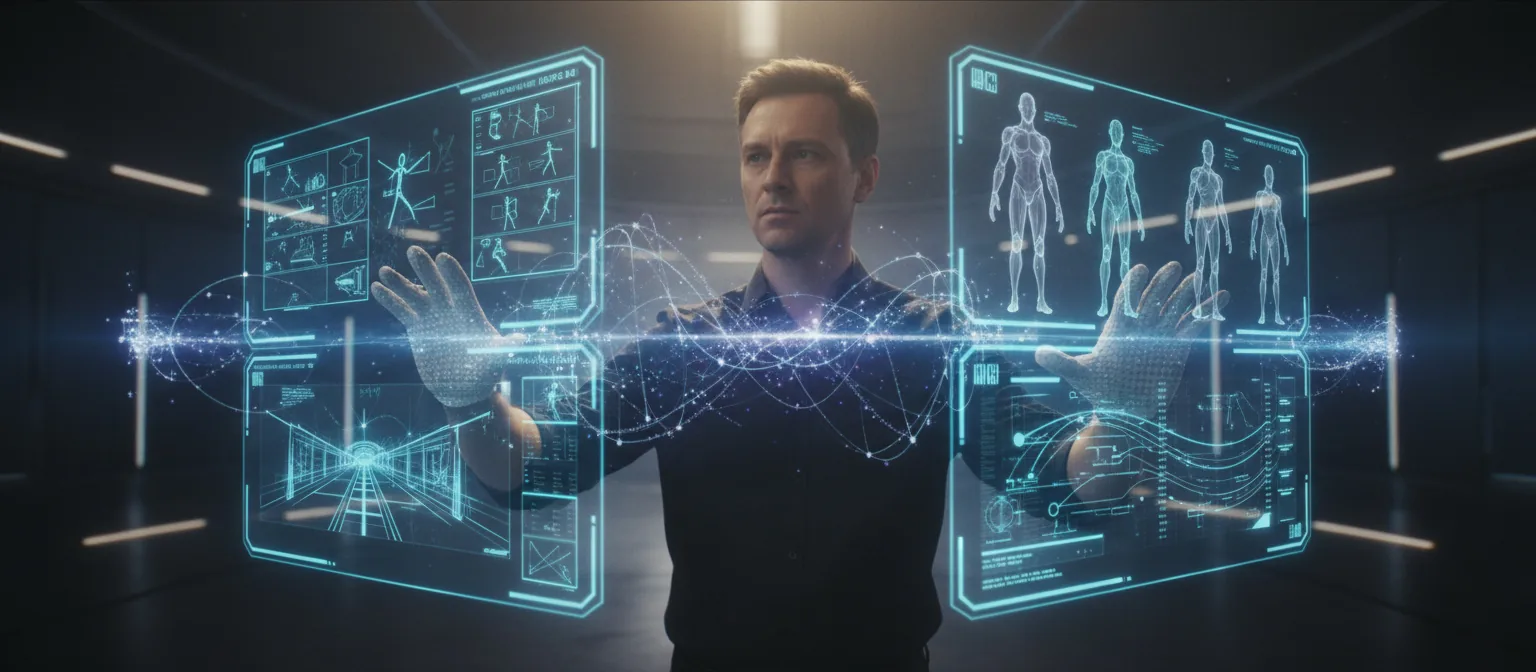
The landscape of video production is undergoing a profound transformation. Generative AI is no longer a futuristic concept. It is a powerful, accessible tool that transforms creative processes. This technological leap reshapes how stories come to life on screen. It provides creators with advanced capabilities.
Traditionally, Visual Storyboarding has been a time-intensive and meticulous process. Artists spent countless hours sketching out scenes. AI now provides remarkable speed and creative flexibility. It fundamentally changes this crucial pre-production phase. This innovative approach accelerates creative workflows, improves visual consistency, and greatly enhances narrative impact.
This guide details how AI-generated storyboards drive efficiency and elevate artistic vision. We examine advanced Text-to-Image Models and mastering Prompt Engineering. These techniques unlock a competitive advantage in crafting compelling video narratives. Discover how AI transforms the often laborious task of Pre-visualization (Pre-vis) into an agile, dynamic process.
Key benefits of integrating AI into storyboarding include:
- Rapid generation of diverse visual concepts for Shot Composition.
- Enhanced exploration of the Narrative Arc through dynamic visual sequences.
- Facilitates Iterative Design, which enables quick adjustments and refinements.
- Streamlines Creative Workflow, saving valuable time and resources.
Understanding the underlying Machine Learning (ML) Algorithms that power these tools is key to using their full potential. For more insights into AI advancements in creative industries, consult resources like Stability AI’s blog on generative models.
Accelerating Creative Workflows: AI’s Impact on Pre-Visualization
The preceding discussion highlighted the foundational role of Machine Learning (ML) Algorithms in advanced creative tools. Now, we examine how these algorithms specifically transform the initial stages of video production. Generative AI transforms how ideas move from abstract concepts to tangible visuals. It dramatically accelerates the entire Creative Workflow. This transformative power of AI in Pre-visualization (Pre-vis) is key to unlocking creative potential for visual creators.
From Concept to Canvas: Rapid Storyboard Generation
AI significantly reduces the time from concept to visual representation. It automates the generation of initial Visual Storyboarding frames. Traditional methods demand considerable time and resources. However, advanced Text-to-Image Models, guided by precise Prompt Engineering, instantly convert written descriptions into compelling visuals. This automation dramatically compresses the initial ideation phase. Filmmakers and marketers gain a powerful tool. They quickly see their visions take shape. Ideas move from abstract concepts to concrete visual drafts in moments. This efficiency contributes directly to faster project turnaround times.
Iterative Design and Narrative Exploration
The advent of AI makes Pre-visualization (Pre-vis) faster and inherently more iterative. Creators can rapidly experiment with diverse visual ideas and various forms of Shot Composition. This flexibility empowers them to explore multiple narrative paths with remarkable speed. They can generate countless storyboard variations. Each iteration refines the storytelling. This process leads to more polished and impactful narratives that resonate deeply with audiences. The ability to quickly test and discard concepts saves valuable resources. It also fosters a more dynamic and less constrained creative environment.
- AI shortens the gap between initial concept and visual output.
- It enables rapid experimentation with different visual styles.
- Creators explore varied Narrative Arc possibilities quickly.
- This leads to highly refined and emotionally resonant stories.
The Algorithmic Engine: Powering Efficiency
These remarkable advancements are powered by sophisticated Machine Learning (ML) Algorithms. These algorithms analyze vast datasets of images and text. They learn to understand context and generate highly relevant visual elements. Their ability to interpret complex prompts ensures the generated visuals align perfectly with the creative intent. This deep understanding allows for intelligent frame generation. It anticipates directorial needs. The resulting efficiency translates directly into substantial cost savings across the production pipeline. Projects move from conceptualization to execution much faster. This enhances overall productivity. For more insights into how AI streamlines creative processes, consult resources like Creative Bloq’s articles on AI art tools.
The Art of Prompt Engineering: Directing AI for Perfect Storyboard Shots
While AI accelerates creative workflows, the true magic lies in effective communication with the machine. Prompt Engineering is the critical skill for directing Generative AI. It translates your creative vision into precise AI commands. This expertise empowers creators to move beyond basic image generation. It shapes complex scenes with remarkable detail. This ensures the AI understands your exact aesthetic and narrative requirements.
Mastering prompts allows for nuanced control over every visual element. You can dictate subtle character expressions or intricate lighting schemes. Environmental details are also fully customizable. Imagine specifying the exact mood of a scene or the precise angle of a character’s gaze. This granular control transforms rudimentary visuals into expressive storyboard frames.
Effective prompts are the backbone of high-quality, relevant images. These images align perfectly with your Narrative Arc and desired Shot Composition. Without well-crafted instructions, the output might be visually appealing but narratively disjointed. Precision in your prompts guarantees each image contributes meaningfully to the overall story. It enhances the Visual Storyboarding process.
This Iterative Design process involves refining prompts through successive iterations. It helps achieve desired visual outcomes and artistic styles. You start with a broad concept and then progressively add layers of detail and stylistic direction. Each refinement brings you closer to the perfect visual representation of your scene. This embodies the essence of mastering AI prompt engineering.
Advanced techniques allow you to specify exact camera angles, cinematic mood, and particular artistic styles. This ensures the storyboard visually communicates the intended emotion and atmosphere. For instance, requesting a wide-angle shot with dramatic chiaroscuro lighting instantly conveys tension. Understanding these techniques is crucial for effective Pre-visualization. For those seeking assistance in crafting perfect AI prompts, specialized tools can significantly streamline the process.
To achieve this level of directorial precision with Text-to-Image Models, consider these key elements in your prompts:
- Subject and Action: Clearly define characters, objects, and their actions within the frame.
- Setting and Environment: Describe the location, time of day, weather, and specific background elements.
- Lighting and Mood: Specify light sources, intensity, color, and the overall emotional tone.
- Camera and Composition: Indicate shot type (close-up, wide), angle (low, high), and focal length.
- Artistic Style: Reference specific art movements, photographers, or visual aesthetics for consistent style.
These details guide the Machine Learning (ML) Algorithms. They generate images that closely match your vision. For deeper insights into prompt construction for visual generation, resources like Midjourney’s official prompt documentation offer valuable guidance.
Ensuring Narrative Cohesion and Visual Consistency with AI
Once you master prompt creation, the next crucial step in Visual Storyboarding involves seamless integration of your generated visuals. AI tools significantly enhance narrative coherence. They maintain consistent visual styles across all storyboard frames. This consistency is vital for a smooth narrative flow.
Machine Learning (ML) Algorithms excel at learning specific character traits and environments. This ensures continuity throughout the entire story’s Narrative Arc. Achieving consistent character appearance across multiple shots is paramount for audience engagement. AI models can be trained or prompted to remember visual attributes. This allows for mastering character consistency. This function is critical for complex narratives and for building a cohesive brand visual identity that truly resonates.
AI also plays a pivotal role in maintaining a unified aesthetic. From consistent color grading to a specific artistic style, every frame contributes to the overall narrative impact and strengthens the Shot Composition. This detail ensures a professional and engaging final product. For more insights into how AI models achieve visual consistency, Stability AI’s documentation on consistent characters offers valuable perspectives.
- Maintains consistent visual styles across all frames.
- Learns character traits and environments for continuity.
- Remembers visual attributes for consistent character appearance.
- Unifies aesthetic elements like color and artistic style.
Picnosia: The Future of Private, Multi-Modal AI for Storyboarding Professionals
As Creative AI for everyone continues to evolve, creative professionals face a critical decision: selecting the right platform. This choice significantly impacts their Mastering Flux and overall efficiency. Privacy and comprehensive multi-modal features are paramount considerations for those developing engaging video narratives.
This platform offers a compelling alternative to competitors like Midjourney. It prioritizes both privacy and robust multi-modal AI generation capabilities. While Midjourney leads in high-fidelity visuals with AI image generators, it mandates public creations by default. Furthermore, it entirely lacks integrated video generation, a crucial component for modern producing high-fidelity social media video ads with Veo.
With Picnosia’s Pro Tier, you gain immediate access to private image and video creation. This is powered by a flexible token system within a single, cost-effective subscription. Our unified platform ensures your creative assets are secure. Your toolkit is complete. It offers a streamlined Creative Workflow that surpasses competitors requiring multiple subscriptions. This approach supports sophisticated Nano Banana Pro projects.
Consider the typical user needing private image generation and AI video content. Other services might require separate subscriptions for private images and AI video, leading to fragmented tools and higher costs. This fragmentation complicates the creative process. It also introduces unnecessary recurring costs.
In contrast, the Pro Tier offers private image generation across multiple advanced models AND integrated AI video generation. This comprehensive package provides excellent value. Our token system provides immense value. For 2200 tokens, users can generate approximately 100 high-quality Galaxy images and 11 Standard AI videos. Alternatively, they can create over 300 Orbit images. This provides great flexibility for Visual Storyboarding. By choosing this service, users avoid complexity and recurring costs. They save significantly, while gaining an integrated, private, and versatile AI creation experience. This represents significant annual savings, which allows more budget for other aspects of your production. Data privacy in AI innovation is a growing concern, and Picnosia addresses it directly.
This platform consolidates your entire creative toolkit into one effective, budget-friendly solution. It provides significant value and privacy for professional projects. This ensures your focus remains on developing compelling visual storyboarding and refining your Narrative Arc.
Integrating AI Storyboards into Your Existing Production Pipeline
Seamlessly integrating AI-generated storyboards requires a structured and thoughtful approach within your production pipeline. This ensures a smooth transition from concept to final product. The goal is to enhance, not disrupt, your established Creative Workflow. Define clear hand-off points with your production team to maintain efficiency and clarity.
Start by leveraging Generative AI for initial concept exploration and mood boards. This provides a robust visual foundation for any project. These early outputs, often from advanced Text-to-Image Models, accelerate the Pre-visualization (Pre-vis) phase. They allow for rapid iteration and exploration of various visual styles and themes. This initial stage benefits greatly from effective Prompt Engineering. This guides the AI to produce relevant visuals.
Here’s how to effectively weave AI capabilities into your production process:
- Concept Initiation: Utilize AI for generating diverse visual concepts and mood boards. This step quickly establishes the aesthetic direction.
- Refinement and Artistic Direction: Refine AI outputs with traditional tools where necessary. This ensures the unique artistic vision and specific production needs for elements like Shot Composition are precisely met.
- Format Compatibility: Export AI-generated frames in formats compatible with your existing editing and post-production software. This facilitates smooth transitions and avoids technical bottlenecks.
- Communication & Workflow Clarity: Establish clear communication channels across all departments. Ensure every team member understands how AI contributions augment the overall Creative Workflow.
- Iterative Development: Embrace an Iterative Design process. Use AI to quickly generate variations based on feedback. This allows for continuous refinement of the Narrative Arc and visual flow.
Remember, AI acts as an effective assistant, not a replacement for human talent. It augments human creativity and streamlines repetitive tasks. Sophisticated Machine Learning (ML) Algorithms power this. This approach allows your team to focus on storytelling and creative problem-solving, rather than mundane visual creation.
Frequently Asked Questions
How can AI effectively accelerate and optimize the video pre-production workflow?
Generative AI significantly streamlines pre-production by automating storyboard creation. It rapidly transforms script ideas into visual concepts. This drastically cuts down manual drawing time. This optimization speeds up the entire creative workflow. It allows more time for refining the Narrative Arc and enhances overall pre-visualization (pre-vis).
What are the leading AI tools or platforms available for generating high-quality visual storyboards?
Several platforms leverage Text-to-Image Models for Visual Storyboarding. Tools like Midjourney, Stable Diffusion, and specialized platforms such as Picnosia offer robust capabilities. These solutions empower users with advanced Prompt Engineering features. These guide the AI, ensuring high-quality, relevant visual outputs for their projects.
How does AI contribute to enhancing creative visualization and ensuring narrative coherence in storyboarding?
AI enhances creative visualization through rapid Iterative Design. It allows filmmakers to explore countless visual options quickly. It helps maintain a strong Narrative Arc. It visualizes sequence flow and consistent character appearances. Moreover, AI can suggest diverse Shot Composition to elevate visual storytelling.
What are the primary challenges or limitations when integrating AI into the storyboarding process, and how can they be mitigated?
Challenges include achieving precise artistic styles and overcoming occasional AI “hallucinations.” Mitigation involves mastering Prompt Engineering to give clear, detailed instructions. Human oversight and refinement of the AI’s initial output remain crucial. This ensures the creative vision aligns with the Machine Learning (ML) Algorithms’ capabilities.
What is the recommended workflow for seamlessly incorporating AI-generated storyboards into existing video production pipelines?
The recommended workflow starts with AI for initial Pre-visualization (Pre-vis) and concept exploration. Refine the Generative AI outputs with human artists for artistic coherence and detail. Finally, integrate these enhanced visuals into your existing Creative Workflow for feedback and final production planning.
Conclusion: The Future of Engaging Video Narratives is AI-Powered
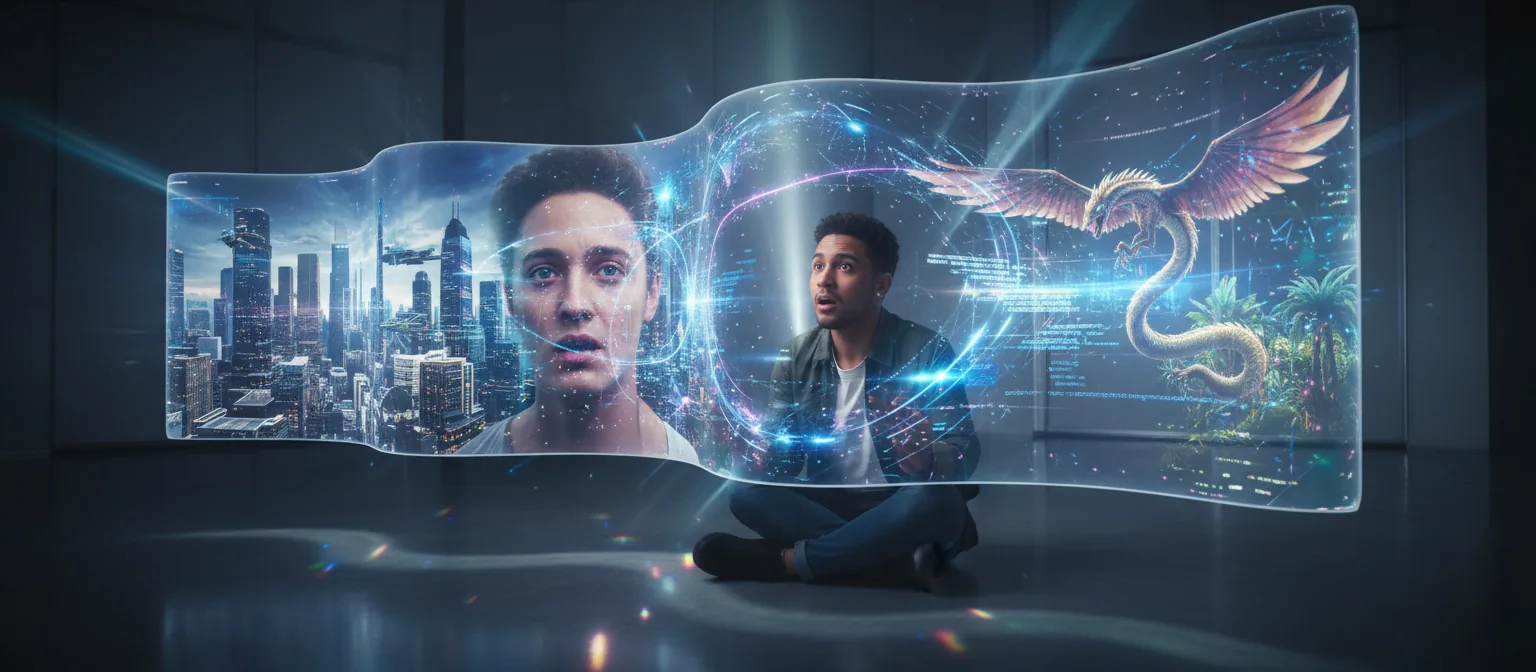
The era of Generative AI has fundamentally reshaped visual storytelling. This technology offers advanced tools for efficiency and creativity. It transforms how narratives are conceived and brought to life. Mastering AI-generated storyboards is now a crucial skill for video professionals. It provides a significant competitive edge in a dynamic industry.
By embracing effective Prompt Engineering and understanding AI’s full capabilities, you can elevate your narrative impact. Achieve strong visual consistency across your projects. This approach ensures a cohesive Narrative Arc from concept to final cut. The future of Visual Storyboarding is clearly AI-powered.
Platforms like Picnosia are at the forefront of this development. They offer private, multi-modal solutions that streamline your entire Creative Workflow. These tools simplify the complex process of Pre-visualization.
- Embrace Innovation: Step into the future of video pre-production with confidence.
- Harness Power: Leverage AI to craft more engaging and impactful stories.
- Achieve Excellence: Produce visually compelling narratives with greater ease and precision.
Harness the power of AI to craft engaging, impactful, and visually compelling narratives.